
関連情報





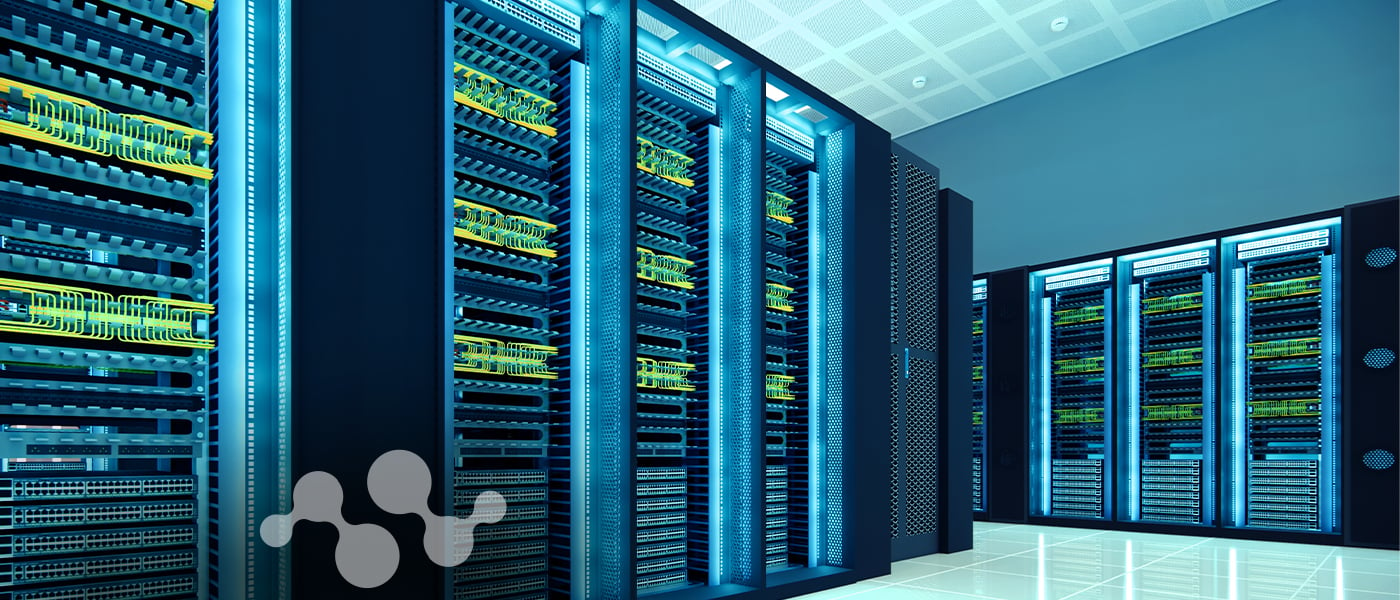
AI clusters are packing more compute into every rack, and every link between those racks adds to your power, cost and cable bulk. If you design or run a data center, you need short-reach interconnects that go farther than passive copper without the power draw of DSP-based cables.
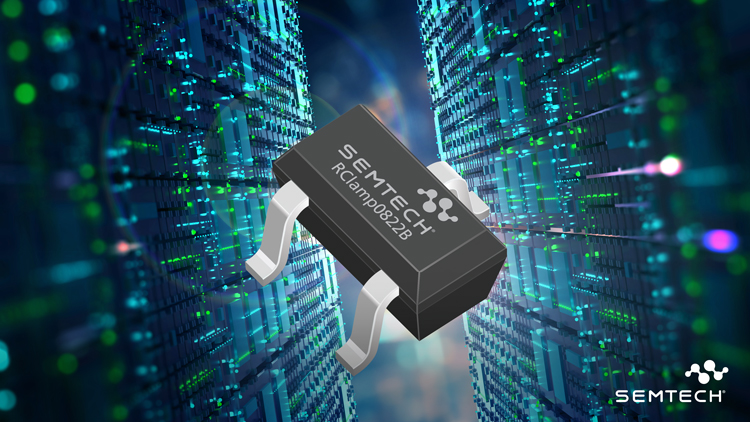
Active copper cables (ACCs) with linear equalizers are built for those links. But without shared specifications, mixing cable and equipment vendors adds integration risk. That is why 13 companies launched the Active Copper Cable Multi-Source Agreement (ACC-MSA) on Feb. 23, 2026. Semtech co-chairs the group with MACOM, so the specifications draw on real ACC design experience.
ブログ
Setting Standards for Next Generation Active…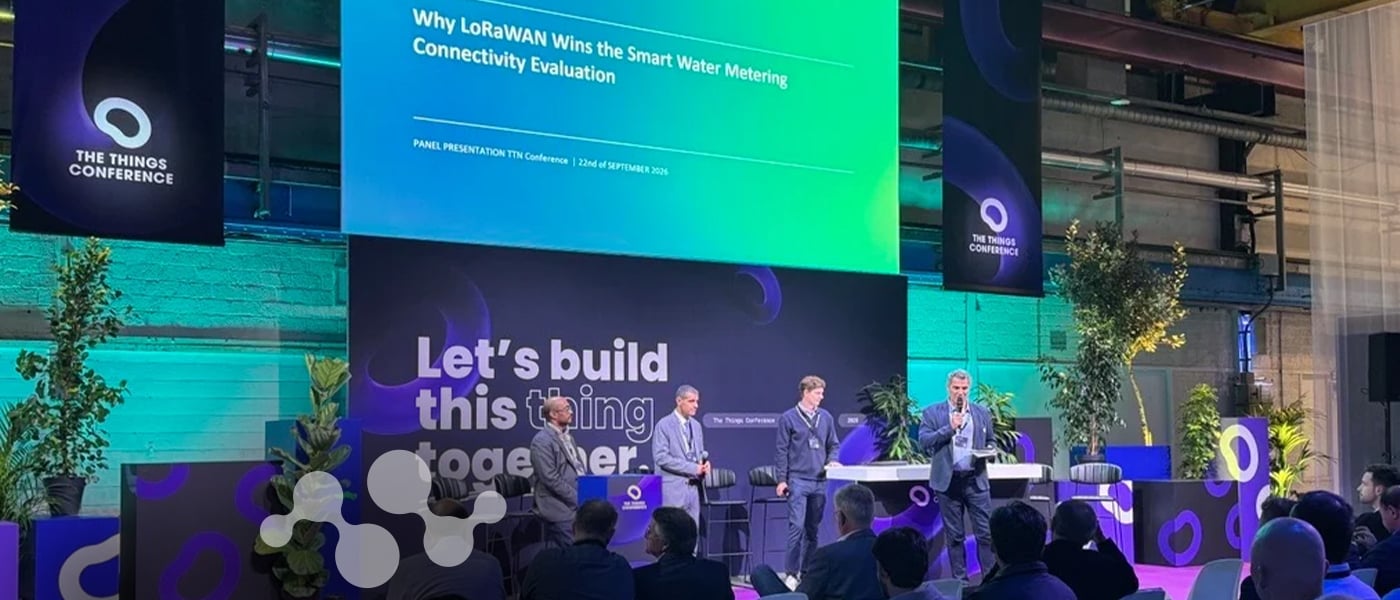
The Things Conferenceは2026年9月22日~23日にアムステルダムのDe Kromhouthalで再び開催,第9回となる今回は、「口先だけでなく行動で示せ」をテーマに開催されます。2018年に、何かを中心に築かれたコミュニティとして始まったものが LoRaWAN® IoTとエッジのエコシステムを対象とした分野横断型のイベントへと成長し、LoRaWAN、セルラーIoT、エッジ人工知能(AI)、Bluetooth、Wi-Fiなどが同じ会場に集っています。
ブログ
The Things Conference 2026でのLR2021長距離...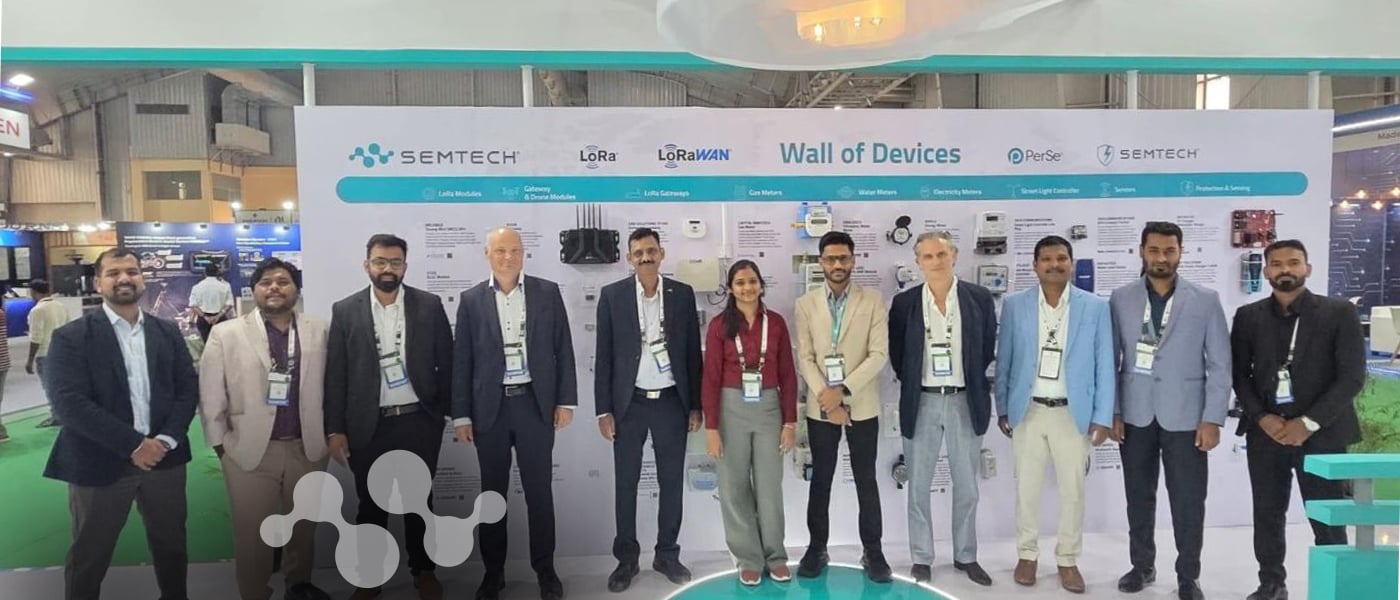
Electronica India 2026, held Sept. 16-18 in Bengaluru, showed how utilities and device makers can build smart meters that work across fixed networks, walk-by collections and multiple wireless protocols. At booth H3.G11, Semtech showcased how LoRa® technology now extends from low-power sensing to network discovery and multi-protocol connectivity across LoRaWAN®, wireless M-Bus (wM-Bus), Wireless Smart Utility Network (Wi-SUN), and mesh networking, supported by India's homegrown LoRa ecosystem.
ブログ
Electronica India 2026: Smart Metering, IoT…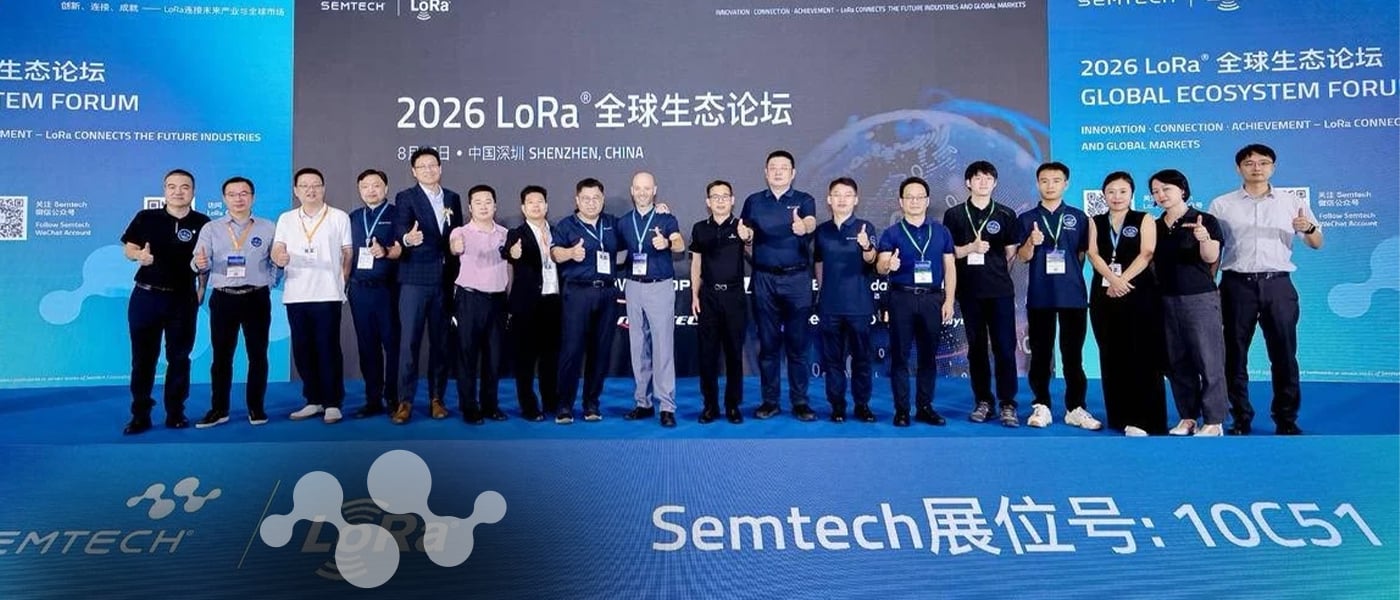
深圳で開催されたInternational Internet of Things Exhibition (IOTE) 2026の会期中に開催された2026 LoRa® Global Ecosystem Forumは、LoRaテクノロジーの未来と世界的なエコシステムの継続的な成長を探るため、業界全体から顧客、エコシステムパートナー、開発者、メディアを再び一堂に集めました。イベント当日は深圳の天候が厳しい状況でしたが、フォーラムには多くの参加者が集まり、セムテックがLoRaエコシステム全体で築いてきたリーダーシップを改めて裏付けました。この勢いにさらに拍車をかけたのは、Semtechの LoRa Plus™ LR2021 2026年の25番目のIOTE Gold Award(革新的製品賞)を受賞したことで、この次世代LoRaプラットフォームを支えるイノベーションがさらに裏付けられました。
ブログ
IOTE Shenzhen 2026:SemtechとLoRaエコシステム...
ワイヤレスリンクでは従来、速度と通信範囲の間でトレードオフが必要でした。BluetoothやWi-Fiなどの高スループット技術は、大量のデータを迅速に転送できますが、実用上の通信距離は限られることがよくあります。長距離技術は、よりはるか遠くまで通信できますが、通常、データレートは低くなります。高速長距離プロトコル(FLRP)バーストは、キロメートル級の通信距離とメガビット/秒のデータ転送速度という、この2つの世界のギャップを埋めるために設計されています。
ブログ
高速長距離プロトコルバースト:メガビット速度…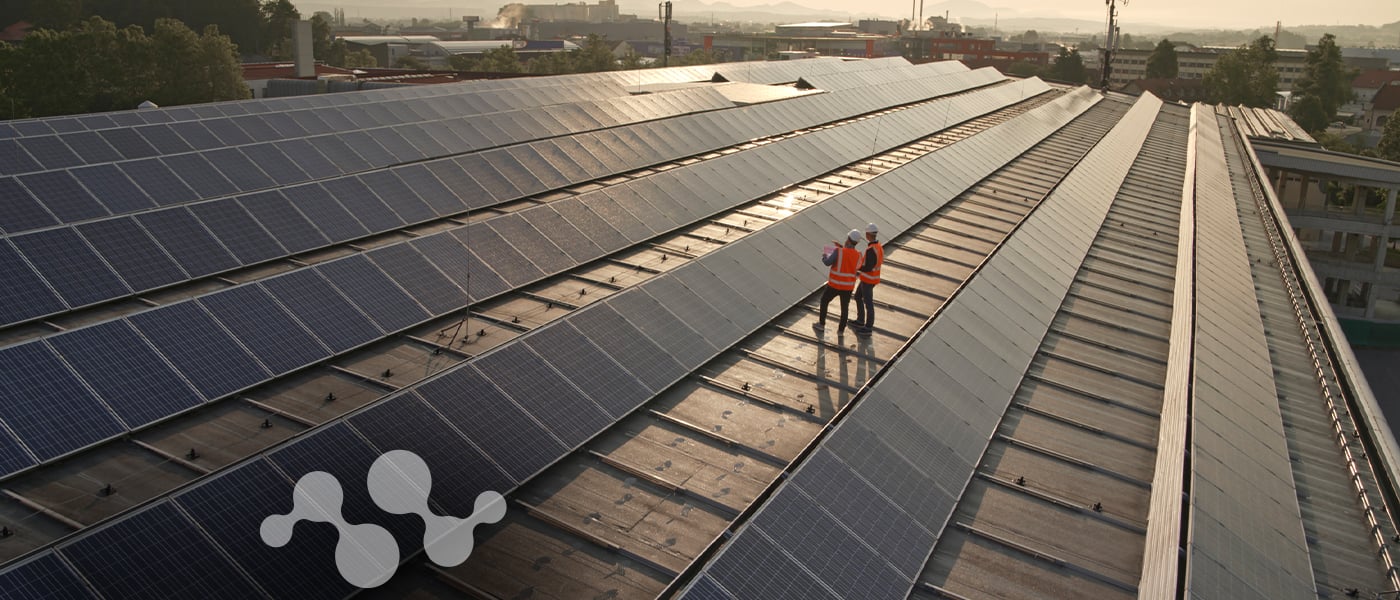
Solar panels get all the attention. But in a modern utility-scale solar installation, it is the trackers, inverters and cleaning robots that determine whether a farm meets its energy production targets. Trackers keep panels correctly oriented toward the sun, inverters convert what those panels produce into grid-usable AC power, and cleaning robots keep panel surfaces free of the dust and debris that silently erode energy yield between maintenance cycles. Between them, these three asset classes account for the majority of performance variability as well as costly failures.
ブログ
Closing the Solar Farm Monitoring Gap with LoRa®…

