
Loading parametric data...
パラメトリック検索を使用するためのヒント
- Use Hide Filters in the first column header to hide column filters.
- Click Columns to show or hide parameter columns.
- To compare parts, select checkboxes next to part numbers, then click Compare.
- Click Reset to restore the default view and clear filters.
- Use Wide to set the table to full browser width
- Click a part number to open the product detail page.
- Use the info and cart icons below each part number for details and purchasing.
- Click column headers to sort. Use the search box to filter across all visible columns.
- Click Export to download results as CSV.


関連情報
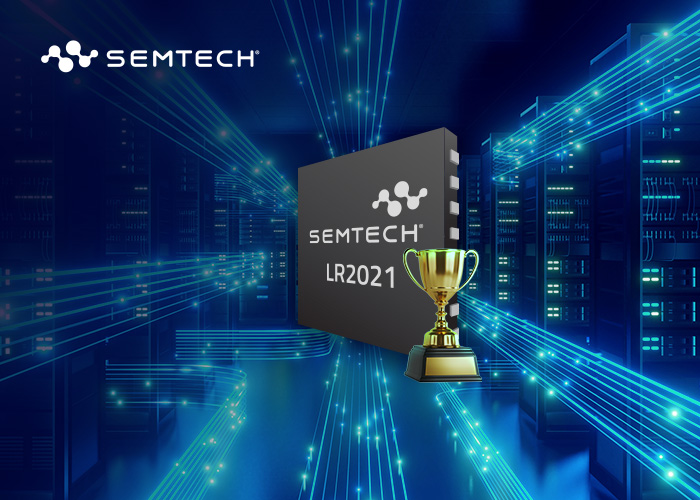








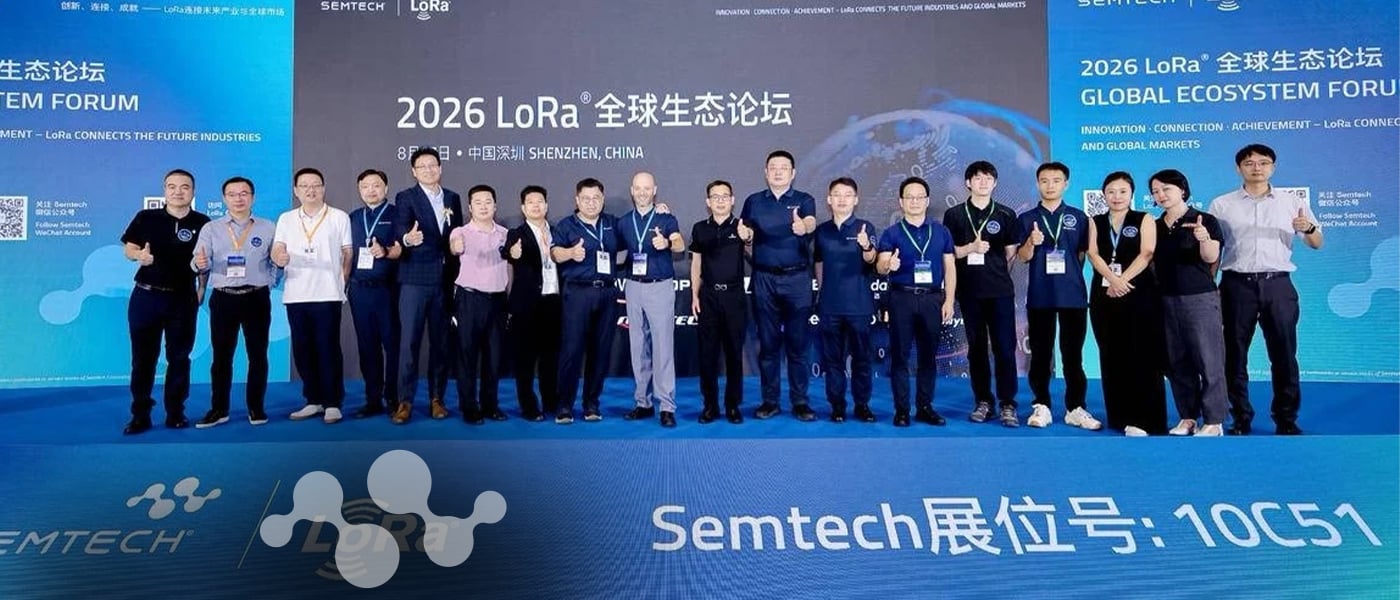
The 2026 LoRa® Global Ecosystem Forum, held during the International Internet of Things Exhibition (IOTE) 2026 in Shenzhen, once again brought together customers, ecosystem partners, developers, and media from across the industry to explore the future of LoRa technology and the continued growth of its global ecosystem. Despite challenging weather conditions in Shenzhen on the day of the event, the forum drew a strong turnout that reinforced the leadership Semtech has built across the LoRa ecosystem. Adding to the momentum, the Semtech LoRa Plus™ LR2021 received the 2026 25th IOTE Gold Award – Innovative Product Award, further validating the innovation behind this next-generation LoRa platform.
ブログ
IOTE Shenzhen 2026: Semtech and the LoRa Ecosystem…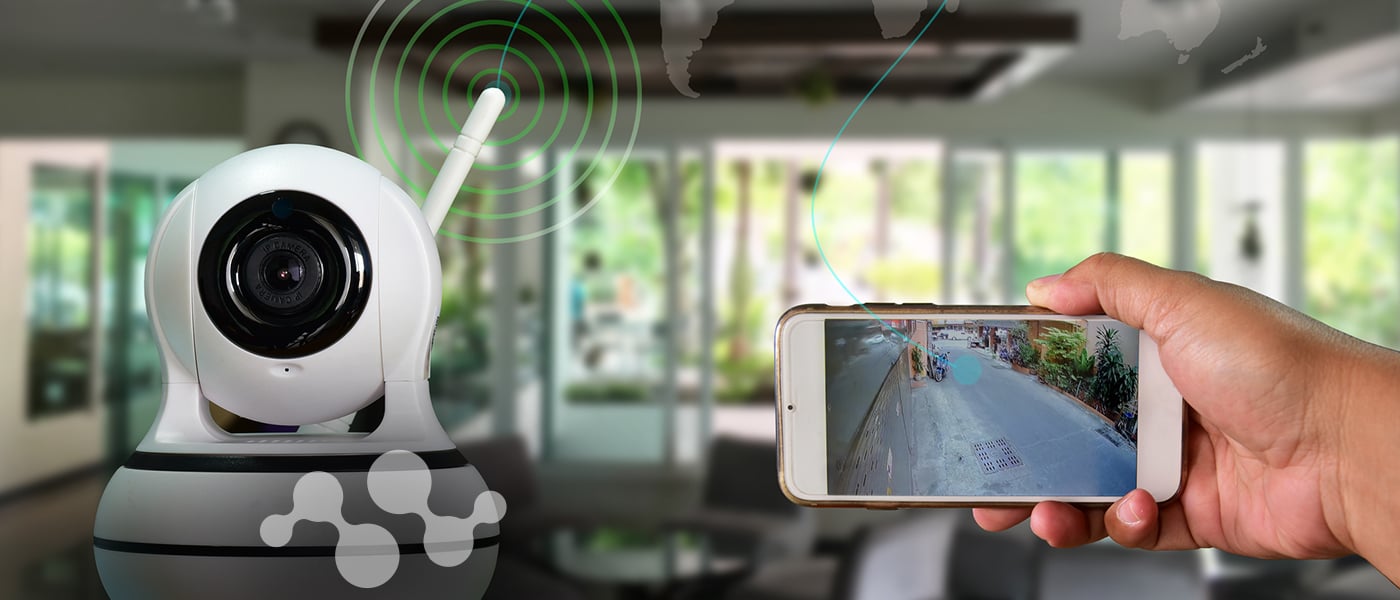
Wireless links have traditionally forced a trade-off between speed and range. High-throughput technologies such as Bluetooth and Wi-Fi can move large amounts of data quickly, but their practical range is often limited. Long-range technologies can cover much greater distances, but typically at lower data rates. Fast Long-Range Protocol (FLRP) burst is designed for the gap between these two worlds: a kilometer-class range with megabit-per-second data transfer.
ブログ
Fast Long-Range Protocol Burst: Megabit Speeds…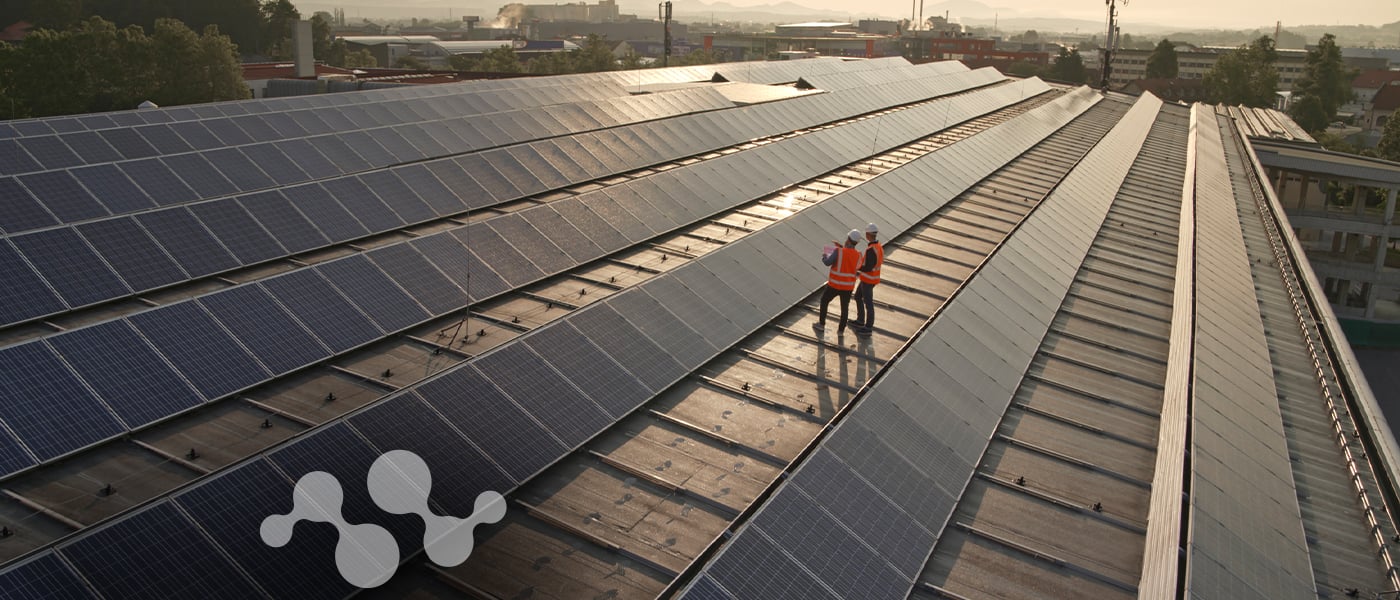
Solar panels get all the attention. But in a modern utility-scale solar installation, it is the trackers, inverters and cleaning robots that determine whether a farm meets its energy production targets. Trackers keep panels correctly oriented toward the sun, inverters convert what those panels produce into grid-usable AC power, and cleaning robots keep panel surfaces free of the dust and debris that silently erode energy yield between maintenance cycles. Between them, these three asset classes account for the majority of performance variability as well as costly failures.
ブログ
Closing the Solar Farm Monitoring Gap with LoRa®…
Decision-makers evaluating linear pluggable optics (LPO) want numbers, not abstractions. If you're new to LPO, start with Blog 1: What Is Linear Pluggable Optics?, then come back here for the key quantitative parameters for 200G LPO deployment: power consumption by module type, optical reach, electrical loss tolerance, and host port calibration requirements.
ブログ
200G Linear Pluggable Optics (LPO) Power, Reach…
Linear pluggable optics (LPO) is one of the most significant shifts in data center optical interconnect design in a decade — but the term still causes confusion. Is it a module type? A standard? A replacement for digital signal processing function or DSP-based optics entirely? This blog answers those questions from first principles.
ブログ
AI Data Center Basics: What Is Linear Pluggable…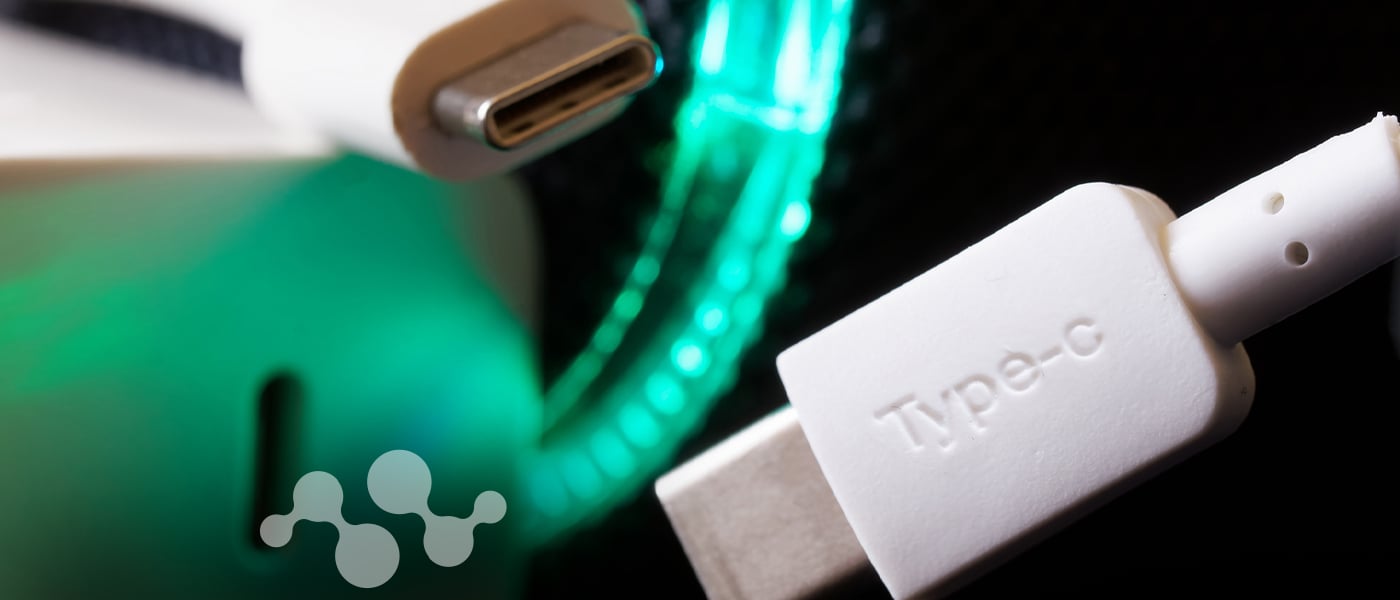
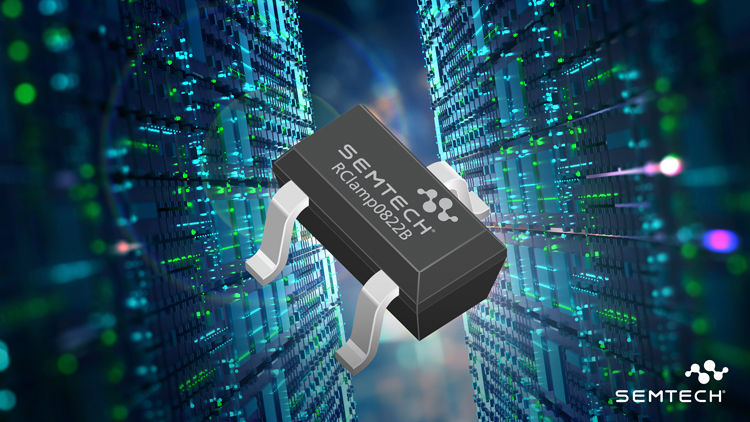
The USB Type-C connector has become the universal interface of modern electronics. From laptops and smartphones to Artificial Intelligence (AI) computing platforms and industrial edge devices, USB Type-C supports both high-speed data transfer and high-wattage power delivery through a single cable. With the adoption of USB Power Delivery (USB PD) 3.1 and its Extended Power Range (EPR), (Table 1) VBUS line voltages have scaled from the familiar 20V/100W standard power range to 28V, 36V and 48V — enabling power delivery of up to 240W over a USB-C cable.
ブログ
Advancing VBUS Protection for 48V USB Power…

